
Introduction to Quantum Computing in Finance
Quantum computing is setting the stage for significant breakthroughs in various fields, one of the most impacted being finance. Traditional computers, which use bits as the fundamental unit of data, are increasingly hitting performance barriers. Quantum computers, on the other hand, use quantum bits or qubits, which can exist in multiple states simultaneously, giving them tremendous processing power. This revolution is poised to transform financial modeling, risk management, and data analysis, introducing new dimensions to these critical areas.
Enhancing Financial Models with Quantum Computing
Financial models are tools used by businesses and investors to forecast economic scenarios and market trends. These models hinge heavily on mathematical computations and the processing power of computers. Quantum computing enhances these financial models by vastly speeding up the computation process and handling more complex models than ever before. For instance, options pricing, risk analysis, and fraud detection can benefit from quantum algorithms, potentially making markets more stable and investments more secure.
Quantum Computing in Risk Management
Risk management is another crucial area in finance that stands to gain from quantum computing. The ability of quantum algorithms to quickly process vast datasets allows for real-time risk analysis. This is especially useful in dynamic and volatile markets, where current risk assessment models might falter or be too slow, potentially leading to huge financial losses. Quantum-enhanced risk management tools could predict and mitigate these losses more effectively by analyzing market conditions far more quickly than traditional tools.
Breaking New Ground in Cryptography
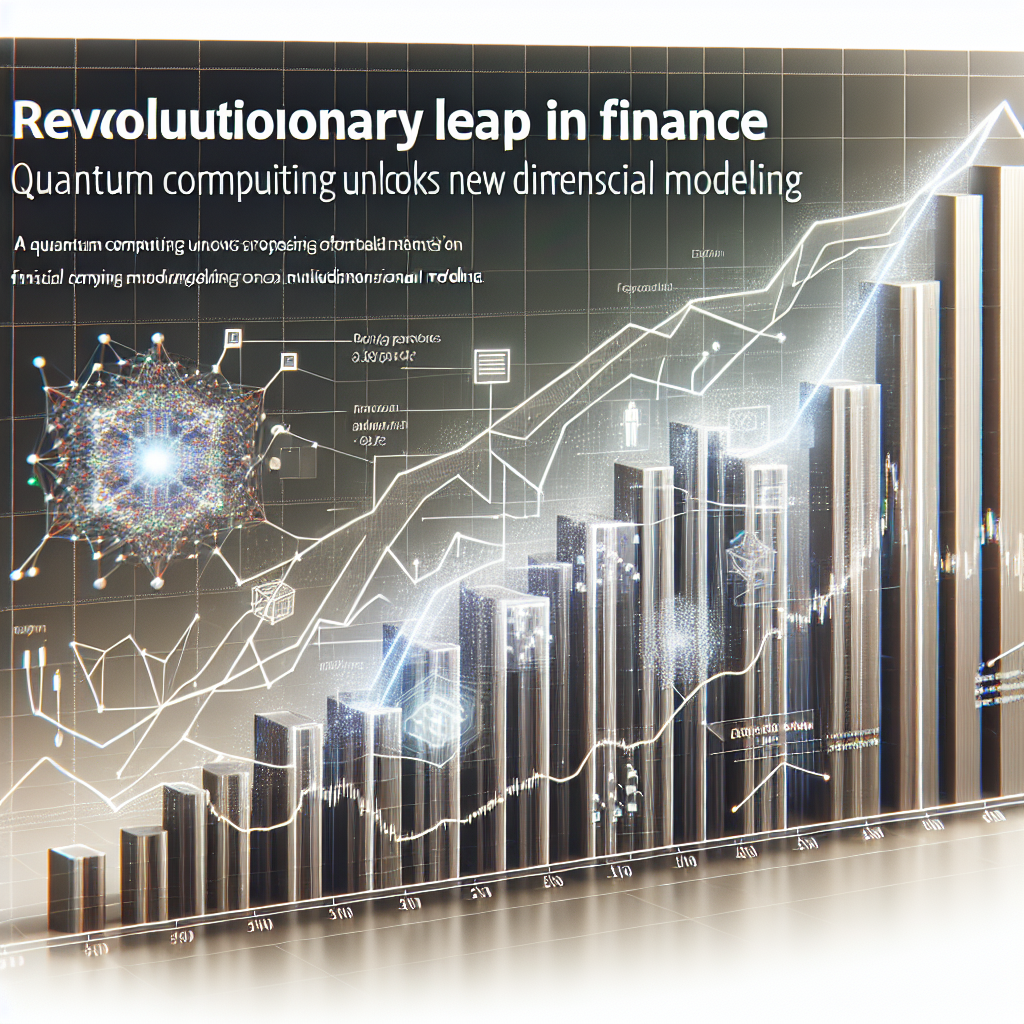
Market Analysis Data
Quantum computing also brings new capabilities in the field of cryptography, which is essential for secure transactions and communication in financial operations. With quantum computing, new cryptographic methods that are far more secure against cyber threats can be developed. However, it also poses a challenge, as existing cryptographic techniques might become obsolete, urging a shift toward quantum-resistant cryptography to safeguard sensitive financial data.
The Impact of Quantum Computing on Data Analysis
Big data has become a cornerstone of modern finance, with companies relying heavily on data analysis to make informed decisions. Quantum computers, with their superior processing abilities, redefine the scope of what financial data analysis can accomplish. They could, for instance, analyze market patterns and consumer behavior far more deeply and accurately than ever before, providing financial institutions with unprecedented insights into their operations and markets.
Ethical and Practical Considerations
Despite its immense potential, the integration of quantum computing into finance is not without challenges. There are ethical considerations regarding privacy and security, mainly because quantum computing could theoretically break many of the encryption methods currently securing our digital transactions. Additionally, the current high cost and complexity of quantum technology make it less accessible, which could lead to disparities in its adoption. Financial institutions must address these issues to fully leverage quantum computing technologies ethically and effectively.
Future Prospects of Quantum Computing in Finance
The future of quantum computing in finance looks promising but requires substantial investment in technology and talent. As we progress, we expect to see more prototypes and eventually practical solutions that will start to revolutionize financial industries. It is crucial for businesses to keep pace with these advancements by investing in research and development and considering partnerships with tech companies specializing in quantum computing.
In summary, the revolutionary leap of quantum computing in finance opens new dimensions in financial modeling, enhancing the speed and accuracy of computations and fostering more robust risk management frameworks. As we edge closer to more mainstream quantum computing applications, financial landscapes are set to be radically reshaped, promising exciting times ahead for investors, companies, and regulators alike.