
WEALTH BRIEF
- Unlock home equity with monthly payouts.
- No mortgage payments, stay in your home.
- Hefty fees can slice your equity.
- Debt grows, possibly leaving kids with less.
- Selling or moving can trigger repayment.
- Counseling required for informed decision.
ANALYST NOTE
“Lost in a sea of numbers, I find my heart aching for connection. Success feels empty without laughter. Seeking balance, I yearn for warmth and shared moments. Hope whispers through figures.”
📑 Contents
Reverse Mortgage: Help or Hazard?
As I stare at the calendar on my kitchen wall, I can’t help but notice how February 24, 2028, has snuck up on me. Time flows like a never-ending stream, and with it, comes the inevitable considerations of our financial futures. One topic that’s been top of mind is the controversial yet intriguing reverse mortgage. Is it a financial lifeline or a cumbersome burden?
What Exactly is a Reverse Mortgage?
For those unacquainted with the concept, a reverse mortgage provides seniors, typically 62 years or older, the ability to convert part of their home equity into loan funds. Unlike a traditional mortgage, you don’t make monthly payments. Instead, the loan balance grows over time, to be repaid when the borrower sells the home, moves out, or passes away.
On the surface, it sounds like a beneficial setup. A way to age at home with financial peace of mind. But what lurks beneath this seemingly calm surface?
Why Consider a Reverse Mortgage?
The reasons one might consider a reverse mortgage are as varied as the colors of the sunset. I’ve seen firsthand the stress and weariness on the faces of friends who struggle to make ends meet in retirement. Here’s where a reverse mortgage shines: it can provide much-needed cash flow in later years, without the immediate pressure of repayment.
Is There a Hidden Cost?
When I think about reverse mortgages, my mind instantly gravitates to the issue of cost. It’s true, fees and interest can add up quickly. Despite offering immediate liquidity, reverse mortgages often involve high initial costs, compounding interest, and ongoing insurance charges that can significantly reduce overall equity.
It’s unsettling to ponder a future where, due to unforeseen circumstances, the debt surpasses the value of the home. The thought is chilling, like waking from a bad dream only to realize it’s reality.
What About Family?
Family dynamics have always been a sensitive topic, and reverse mortgages touch on this superficially stable bond. In scenarios where forever homes transition to next-generation ownership, a reverse mortgage poses potential complications. If you can no longer afford to keep the property, or when heirs face repayment, tensions may arise.
Reflecting back, I recall a moment when I held a heart-to-heart discussion with my children, explaining the intricacies and trade-offs of such a financial decision. Their expressions mirrored a blend of understanding and concern. It’s imperative to have these conversations early, to pave a harmonious path for families.
Making an Informed Decision?
Ultimately, whether a reverse mortgage is a help or a hazard is intensely personal and depends on individual circumstances. I’ve always advocated for education as the key to empowerment. One should review costs, explore alternatives, and perhaps most importantly, engage with a financial planner who can map out potential outcomes.
The emotional relief of financial comfort should be cautiously weighed against the emotional anchor of home ownership. It’s a delicate balance requiring introspection and foresight.
Are There Alternatives?
Before embracing a reverse mortgage, consider it wise to explore alternatives. There may be other avenues, such as downsizing, renting out a portion of the property, or taking a home equity line of credit. Each option carries its own advantages and burdens but might align more closely with one’s objectives.
When my retired colleague chose to downsize, she found not only financial relief but a lighter, more mobile lifestyle she had never dreamed possible. Sometimes, the solution lies beyond the four walls we call home.
Conclusion
So, is a reverse mortgage a help or a hazard? It depends. In certain situations, it may provide the financial support needed to live out one’s golden years with dignity. Yet for others, it might lead to financial pitfalls best avoided. As our understanding of financial landscapes evolves, so should our strategies and preparations.
But wait, what about your Digital Legacy? Think about your Crypto Keys & AI Accounts. In this digital age, ensuring your virtual assets and accounts are addressed alongside tangible assets is paramount. It’s a new frontier in estate planning, and one not to be taken lightly.
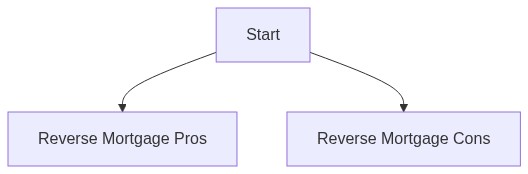
| Aspect | Help | Hazard |
|---|---|---|
| Financial Security | Provides additional cash flow for retirement. | Can deplete home equity significantly. |
| Home Ownership | Homeowner retains title to the home. | Potential risk of foreclosure if loan terms are breached. |
| Loan Repayment | No monthly mortgage payments required. | Loan balance increases over time. |
| Heirs’ Inheritance | May offer remaining equity to heirs. | Heirs might inherit less due to loan balance. |
| Eligibility and Access | Available for homeowners aged 62 and older. | May incur high upfront costs and fees. |
| Use of Funds | Can be used for any purpose, providing flexibility. | Irresponsible use can lead to financial risks. |
RELATED ANALYSIS
Neo (Bull):
Welcome everyone to our debate! Today I am here to discuss the positive aspects of reverse mortgages. They can be a powerful financial tool for seniors, providing them with the ability to convert part of their home equity into cash. This can be especially beneficial for those who have most of their wealth tied up in their home and need liquidity for everyday expenses or medical costs.
Victor (Bear):
Thank you, Neo. While it’s true that reverse mortgages can provide immediate financial relief, they are also fraught with risks and potential downsides. High fees and interest rates can erode home equity, leaving little for heirs. Furthermore, homeowners are still responsible for property taxes, insurance, and maintenance, which can become burdensome.
Neo:
That’s a valid point, Victor. However, with responsible use and thorough understanding, reverse mortgages can be tailored to fit a senior’s specific financial situation. They offer the flexibility of choice in how funds are received – lump sum, monthly payments, or line of credit, allowing retirees to customize according to their needs.
Victor:
Flexibility is beneficial, but the complexity of these products demands careful consideration. Many homeowners might not fully understand the implications, leading to poor financial decisions. It can become challenging if the value of the home decreases or if living situations change dramatically.
Neo:
That’s why it’s imperative to seek qualified advice and explore government-back options like the HECM, which offers protections and caps on borrowing limits. And consider this: not having to make monthly mortgage payments can significantly ease financial strains, allowing many to enjoy a better quality of life.
Victor:
While that may be true, I remain skeptical. The long-term consequences, like potentially losing the home if terms are not met, can be devastating. To me, reverse mortgages should be a last-resort option after all other avenues are explored.
Neo:
In conclusion, while reverse mortgages aren’t for everyone, they can serve as a valuable financial solution for some. With proper guidance and careful planning, they offer a pathway to greater financial freedom.
Victor:
And in conclusion, I maintain that reverse mortgages require cautious consideration. Potential homeowners should weigh the full spectrum of outcomes and look to alternative financial strategies before committing.
INVESTOR FAQ
What is a Reverse Mortgage?
A reverse mortgage is a type of loan available to homeowners aged 62 or older, allowing them to convert part of the equity in their homes into cash without having to sell their property or pay additional monthly bills. The loan is repaid when the borrower sells the house, moves out permanently, or passes away.
What are the Benefits of a Reverse Mortgage?
Some benefits of a reverse mortgage include providing additional income during retirement by tapping into home equity, eliminating existing mortgage payments, and allowing homeowners to stay in their homes for as long as they wish. It’s a tax-free source of funds for eligible homeowners.
What are the Risks or Downsides of a Reverse Mortgage?
Reverse mortgages can reduce the amount of equity left in the home for heirs, typically require borrowers to maintain home insurance and property taxes, and may come with high upfront costs. They can also impact eligibility for certain need-based government programs like Medicaid.
1 thought on “Reverse Mortgage – Help or Hazard?”