
WEALTH BRIEF
- New psychological framework reveals overlooked risks in retiree portfolios.
- Experts warn retirees could face unexpected financial shortfalls.
- Traditional risk assessments may not account for behavioral factors.
- Retirees urged to reevaluate investment strategies based on findings.
- Emotional decision-making could undermine financial stability.
- Comprehensive risk analysis recommended for secure retirement funding.
- Study highlights the importance of personalized risk profiles.
- Financial advisors advised to incorporate psychological factors in planning.
ANALYST NOTE
“Woke up today feeling overwhelmed by market volatility. Clients’ anxious calls echo in my mind. Breathe in, breathe out. Grateful for family’s unwavering support. Holding on to hope for stability.”
📑 Contents
Retirement Funds Riskier Than You Think!
As I sit down to sip my morning coffee, a thought creeps into my mind—a thought about the future. Specifically, a future where financial safety nets might be failing more of us than we care to admit. Retirement funds, deemed to be the sturdy foundation of our golden years, are perhaps riskier than we dare to consider. Let’s dive in, ask some probing questions, and examine how you can navigate this ever-evolving landscape.
Are We Putting Blind Faith in Traditional Retirement Planning?
The traditional retirement plan narrative has embedded itself into our minds like a comforting old song. Contribute to your 401(k) or IRA, let compound interest work its magic, and retire comforted by an ample nest egg. But is this unbridled faith justified?
According to historical data, the average annual return on a balanced retirement portfolio has ranged from 5–7%, contingent upon stock and bond compositions. While these are solid numbers on paper, introducing variables like inflation, market volatility, and shifting life expectancy exposes potential flaws in linear planning. Forbes Personal Finance explores these nuances regularly.
Consider the impact of inflation. A seemingly harmless average inflation rate of 3% can erode purchasing power significantly over a 30-year retirement period. Would your current plan suffice in affording a basic lifestyle then?
Are Bonds and Fixed-Incomes as Safe as They Seem?
In retirement planning, the image of stability is often painted with bonds. But, as we become reliant on returns from these fixed-income securities, let’s ask ourselves if they’re delivering enough security.
Fact: Bonds react adversely to rising interest rates. As rates rise, bond prices fall, impacting long-term returns. This dynamic isn’t new, but its potential consequences are often under-acknowledged in retirement strategies that lean heavily on fixed-income investments. It’s worth examining annual performance reviews and forecasting possible scenarios over a decade.
EXAMPLE: Evaluating a Bond-Centric Portfolio
Let’s consider a portfolio comprising 70% bonds and 30% stocks. Assume—conservatively—a 4% return on bonds and 6% on stocks. Over 20 years, such a portfolio yields approximately 4.6% annualized returns. Contrast this with a stock-centric allocation (70% stocks) using historical averages of around 8% for stocks, which yields closer to 7%. That minor change in allocation can culminate in almost double the retirement balance due to compounded interest—a number that could mean the difference between extravagant travels and countenance.
How Effective is the 4% Rule in Today’s Markets?
The 4% rule suggests that withdrawing 4% annually from your retirement portfolio will sustain you for at least 30 years. But recent studies question its relevance amid modern market conditions and longer life expectancies.
The traditional rule was developed through historical environments featuring different economic variables than today’s, like lower initial interest rates and higher life expectancies. How do these influence our strategic planning?
Latest simulations using some market volatility scenarios and predictability models suggest a reduced withdrawal rate closer to 3.5%, a safer ceiling to assure longevity without depleting capital. Again, definite numbers are precarious without full knowledge of future markets, but adjusting strategies with an eye towards caution and adaptability can mean thriving rather than surviving.
What Steps Can You Take to Mitigate Risks?
The landscape of retirement fund management may feel daunting, but there are actionable strategies to buttress your retirement against potential volatility and erosion.
1. **Diversify Well Beyond Bonds:** Steer part of your portfolio into alternative investments, carefully vetted equities, or global market funds to spread and manage risk more effectively. The Morningstar website offers a wealth of information on diversified strategies.
2. **Adjust Withdrawal Assumptions:** Each year, evaluate your withdrawal percentage considering market performance and inflation. Tailor your withdrawal strategy as if you’re navigating through a dynamic and winding journey, not on a flat, predictable road.
3. **Continuous Education and Rebalancing:** Markets evolve, regulations shift and investor composition adjusts. Stay informed about new trends and timely rebalance your portfolio to maintain intended allocations. Learning from market leaders and financial analysts can illuminate unseen curves on the retirement investment track.
Conclusion: The Need for Proactive Engagement
Ultimately, the security of your future relies on a proactive, informed approach. It’s about remaining dynamic in planning, realistic in expectations, and strategic in actions.
But wait, what about your Digital Legacy? Think about your Crypto Keys & AI Accounts that are gaining increasing importance! Explore how these digital assets can secure or potentially jeopardize your post-working life. It’s vital to ensure that these modern investments are seamlessly integrated and secured as you fortify your overall strategies. Stay tuned, as we dive deeper into these compelling topics in a future discussion.
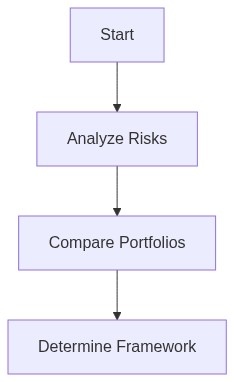
| Fund Name | Category | 5-Year Average Return | Risk Level | Management Fees |
|---|---|---|---|---|
| Aggressive Growth Fund | Equity | 12.5% | High | 1.2% |
| Emerging Markets Fund | International | 9.8% | Very High | 1.5% |
| High Yield Bond Fund | Bond | 6.3% | Moderate | 0.9% |
| Small Cap Fund | Equity | 11.0% | High | 1.3% |
| Commodity Focus Fund | Commodity | 7.1% | High | 1.8% |
RELATED ANALYSIS
Victor – While it might feel exhilarating to embrace high-risk strategies with retirement funds, let’s not overlook the very real and perilous downsides. Market crashes are not just abstract headlines; they’re events that can wipe out the savings of millions overnight. A nest egg that is subject to the volatility of the market can quickly turn from a dream into a nightmare. Financial security in retirement should mean predictability and peace of mind, not anxiety and sleepless nights, which speculative investments can easily induce.
Dr. Finance – It’s crucial to appreciate both perspectives when debating the risk associated with retirement funds. On one hand, Neo makes a compelling case for the growth potential and excitement high-stakes investing can offer. On the other hand, Victor’s concerns are valid, emphasizing the importance of stability in sustaining a comfortable retirement. Ultimately, navigating these risks requires a balance of strategy and caution, encouraging individuals to diversify their portfolios and tailor their approaches to suit their risk appetite and financial goals.