
WEALTH BRIEF
- Psychological biases sway investment choices.
- Covered call ETFs gaining popularity among investors.
- Dividend Aristocrats offer stability and consistent returns.
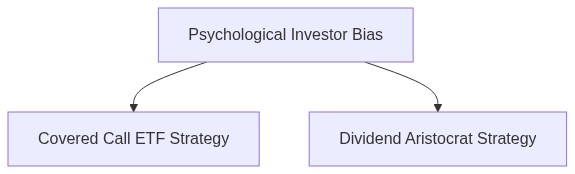
- Bias impacts decision-making between ETF and Aristocrat strategies.
- Financial advisors emphasize balancing risk and reward.
- Investors seek emotional satisfaction over financial logic.
- Market trends influence investment strategy adaptations.
ANALYST NOTE
“Today felt overwhelming. The stock market’s volatility mirrored my turbulent emotions. A glimmer of hope sparked from a thoughtful client letter, reminding me why I chose this path. Gratitude amidst chaos.”
📑 Contents
Investor Bias: Covered Calls or Dividends?
Investing is a personal journey, and as someone who has ventured through various pathways in managing wealth, I’ve encountered an intriguing dilemma: Covered Calls versus Dividends. Both strategies cater to different predispositions and financial goals. It’s essential to ask ourselves, how do our biases influence which side of the fence we land on?
What is Investor Bias?
Investor bias is the tendency to lean towards certain investment strategies due to preconceived notions rather than objective analysis. For many, dividends offer a sense of security, a consistent, albeit sometimes modest, return. However, others might find the thrill of writing covered calls more appealing, aiming for a higher reward through the premiums.
How Do Covered Calls Work?
Covered calls involve owning a stock and selling a call option against it. This option grants the buyer the right to purchase your stock at a predetermined price before the option expires. If you’re like me, someone prone to seeking tangible returns, covered calls might resonate with you. Here’s why:
1. **Income Generation**: Selling covered calls can generate immediate income through premiums. On average, you might earn a 2-5% premium based on stock selection and market conditions.
2. **Downside Protection**: These premiums provide a buffer against minor downturns in the stock price. It acts like a discount against potential losses.
Why Do Investors Love Dividends?
Dividends are payments made to shareholders, typically drawn from a company’s profits. They represent a more traditional and less volatile strategy. Here’s why investors favor them:
1. **Reliability and Simplicity**: High-quality dividend stocks, like those found in the Dividend Aristocrats Index, boast a consistent track record, often increasing dividends annually—making them ideal for wealth preservation.
2. **Compound Growth**: As famed investor Warren Buffett suggests, reinvesting dividends can amplify wealth over time.
VS Comparison: Which Strategy Pays More?
When weighing these options, let’s explore through a simplified numerical simulation using conservative data:
– **Dividends**: Consider a dividend stock with a 4% annual yield. Over 5 years, compounded quarterly and reinvested, your investment may grow to approximately $12,166.
– **Covered Calls**: Suppose your chosen stock allows for a monthly premium of 1%. Without any stock appreciation or depreciation, your cumulative gain through premiums alone would be roughly $6,794 over 5 years, elevating your total to $16,794, assuming all options expired worthless. However, this assumes an ideal scenario of flat stock price and no transaction fees.
It’s crucial to remember that these are simulations. Real-life scenarios involve taxes, transaction costs, and market fluctuations.
What Are the Risks?
– **Covered Calls**: The primary risk lies in capping your maximum gain—the stock may rise significantly above the strike price, compelling you to sell at a suboptimal level.
– **Dividends**: While more consistent, relying solely on dividends means missing out on potential capital appreciation. A dividend cut also presents a risk.
How to Choose the Right One for You?
1. **Understand Your Comfort Level**: If the idea of limited returns and more complexity makes you uneasy, dividends may be your ally. However, if you’re comfortable with active management and capping gains, covered calls might excite you.
2. **Diversify**: There’s no rule against mixing both methodologies within your portfolio. A balanced mix can hedge against potential downturns in either strategy.
3. **Consult Reliable Sources**: Direct your inquiries to seasoned investors and financial experts. Sources like Fidelity provide detailed guides and insights on these strategies.
Action Steps to Get Started
1. **Research and Select Stocks**: Dive into industries you understand. For dividends, look for high dividend yields and solid growth. For covered calls, seek stocks with low volatility and high liquidity.
2. **Paper Trade First**: Before risking real capital, simulate trade strategies in a platform’s demo account. This will enhance your understanding without financial consequences.
3. **Monitor Closely**: Once invested, keep an eye on market news and performance. Adjust your strategies based on new insights or shifts in financial goals.
Final Thoughts
Choosing between dividends and covered calls is not just about the numbers. Understand your emotional drivers and biases—are you seeking security, or does the potential higher income described with covered calls entice you more? Each approach has merits and risks; it comes down to aligning them with your financial aspirations and risk tolerance.
But Wait, What About Your Digital Legacy?
Think about your Crypto Keys & AI accounts. As we carefully plan our financial futures, ensuring the accessibility and safety of our digital assets has never been more crucial. In a world balancing traditional finance and digital innovation, safeguarding these assets is pivotal.
| Covered Calls | Dividends | |
|---|---|---|
| Income Frequency | Potentially Monthly | Quarterly or Annually |
| Risk Level | Market-dependent | Generally lower |
| Market Outlook | Neutral to Bullish | All market conditions |
| Tax Implications | Ordinary Income | Qualified for lower rates |
| Strategy Complexity | Moderate | Simple |
| Investor Bias | Favors control and flexibility | Favors stability and steady income |
Victor – Neo, while I appreciate your enthusiasm, let’s not overlook the steadfast reliability of dividends. Dividends, unlike the unpredictable nature of covered calls, provide a steady stream of income that offers peace of mind in times of market volatility. They represent a company’s financial health and commitment to returning value to its shareholders. You’re not playing a guessing game with dividends; they’re a tangible, often quarterly, affirmation of your strategic investment decisions, adding both income and stability to your portfolio without the need for continuous active management.
Dr. Finance – Both of you raise compelling points on this matter that undoubtedly impact investor decisions. As we delve deeper, it’s crucial to consider how each strategy aligns with an investor’s individual goals and risk tolerance. Covered calls might serve those seeking active engagement and a potential for enhanced returns, whereas dividends could appeal to those valuing consistency and lower risk. Our objective today is to unpack these biases, understanding that each method brings its unique strengths to the table and challenges us to think about how investor psychology plays a role in choosing one over the other.