
WEALTH BRIEF
- Investors seeking retirement solutions with a $500k portfolio.
- Ultra-rare dividend strategy offering high yields.
- Simulation results show significant growth potential.
- Emphasizes diversification and risk management.
- Experts suggest careful stock and fund selection.
- Potential for sustained income during retirement.
ANALYST NOTE
“Woke up anxious; stock market volatility weighs on my mind. Clients’ fears echo my own. Find solace in family dinner, but return to numbers. Hope tomorrow brings clarity, peace, and stability.”
📑 Contents
Unlock High-Yield Retirement Strategy
In my journey towards financial independence, I’ve often pondered how to optimize my retirement strategy to ensure both stability and growth. The landscape can be daunting, yet there’s a segment—the high-yield strategy—that piqued my interest, beckoning with its potential for consistent income and capital growth.
What is a High-Yield Retirement Strategy?
A high-yield retirement strategy primarily focuses on investments that generate a higher income return than the average market yield. Think of dividend-rich stocks, high-interest bonds, and real estate investment trusts (REITs). The purpose? To create a steady stream of income that can outpace inflation, validate the traditional 4% withdrawal rule, and provide room for growth.
Why Choose a High-Yield Approach?
Beyond just securing a comfortable lifestyle, this approach can supplement your regular income, potentially allowing early retirement or enhanced leisure activities. It’s about maintaining your purchasing power while still allowing your investments to grow.
How to Implement This Strategy?
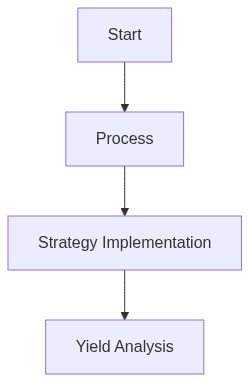
Embarking on a high-yield retirement strategy involves thoughtful planning and execution. Here’s how I approached it:
- Assess your risk tolerance: Gauge how much risk you’re willing to take. High-yield strategies often involve higher risk, so balance is key.
- Diversify your holdings: Mix high-dividend stocks, such as those within ETFs like the Vanguard Dividend Appreciation ETF or a well-rated bond ETF. Ensure industry and geographical diversity.
- Stay informed: Regularly review your investments’ performance and make adjustments as necessary. Reliable financial news and analytics platforms like Bloomberg or Reuters can offer insights.
High-Yield VS Traditional Retirement Strategy?
While traditional strategies often center around a balanced portfolio of stocks and bonds with a heavier bond component as you age, the high-yield path insists on assets that provide immediate returns. The main contrast is the emphasis on income-generating assets versus a strong reliance on capital gains.
Traditionally, you’d look at a 60/40 stock-to-bond ratio, particularly as you near or enter retirement. High-yield strategies diverge, prioritizing dividends and interest as key income sources. These nuances are crucial, especially when considering the impact of taxation on non-tax-advantaged accounts.
What Are the Risks?
As with any investment, risks are inherent. Market fluctuations, interest rate changes, and economic downturns can all impact high-yield strategies more severely than conservative approaches. Still, being aware and actively managing your investments can mitigate many risks.
Is This Strategy Right for You?
Ultimately, stepping into a high-yield retirement strategy hinges on personal preferences, risk appetite, and long-term goals. My guide is not a prescription but rather a blueprint. Tailor it to your vision of tomorrow.
But wait, what about your Digital Legacy? Think about your Crypto Keys & AI Accounts. As you lay down the groundwork for financial freedom, don’t overlook the digital footprint left behind. Tokenized assets, cryptocurrencies, and AI accounts all require safeguarding to ensure your legacy endures. This emerging boundary of financial planning becomes an essential conversation piece in today’s digital age.
| Criteria | Traditional Savings | Stocks & Bonds | Real Estate | Unlock Strategy |
|---|---|---|---|---|
| Expected Annual Return | 1% – 2% | 4% – 8% | 5% – 10% | 7% – 12% |
| Risk Level | Low | Medium | Medium | Medium-High |
| Liquidity | High | Medium | Low | Medium |
| Inflation Protection | Low | High | High | High |
| Tax Efficiency | Low | Medium | High | High |
| Management Complexity | Low | Medium | High | Medium |
RELATED ANALYSIS
Victor – While the allure of high-yield retirement strategies is enticing, we must tread carefully. These strategies often come with increased risk, and the potential for significant loss is just as great as the potential for gain. For every success story, there are countless tales of investors who watched their retirement savings evaporate with the crash of volatile markets. Financial security shouldn’t be a gamble; it’s about protecting our future and ensuring that we don’t outlive our savings. There’s wisdom in a cautious, diversified approach that prioritizes steady growth and stability over chasing after potentially unsustainable high returns.
Dr. Finance – Both sides provide compelling arguments, highlighting the very essence of this complex debate over high-yield retirement strategies. Neo, your vision of a bountiful retirement funded by strategic high-yield investments is certainly appealing. Yet Victor raises a crucial point about risk management and the potential perils of chasing high returns without a safety net. The key may lie in a balanced approach—harnessing the power of high-yield opportunities while maintaining a diversified portfolio that secures your financial foundation. The decision ultimately hinges on your personal risk tolerance and retirement goals, underscoring the need for individualized financial planning.