
WEALTH BRIEF
- Foreign dividend ETFs offer diverse global exposure.
- Optimizing tax efficiency is crucial for retirement strategy.
- Certain countries have favorable tax treaties with the US.
- Tax withholding rates vary by country—plan wisely.
- Holding ETFs in tax-advantaged accounts can boost returns.
- Understand foreign tax credits to maximize earnings.
- Balance risk by diversifying with different international markets.
- Monitoring regulations and costs is essential for success.
ANALYST NOTE
“Watched dreams crumble today. Market crash hit harder than anticipated. Felt an overwhelming wave of helplessness. It’s tough seeing years of work vanish. Holding onto hope, tomorrow might bring a glimmer. Stay strong.”
📑 Contents
Foreign Dividend ETFs: Tax Secrets Revealed
As I navigate the ever-evolving landscape of investment opportunities, I’m consistently drawn to the allure of Foreign Dividend ETFs. While their promise of diversified exposure and international income streams shines brightly, there are intricate tax considerations that often lurk in the shadows, waiting to surprise the unsuspecting investor. Let’s delve into the actionable strategies and tax secrets that can optimize your returns on Foreign Dividend ETFs.
What Makes Foreign Dividend ETFs Attractive?
Foreign Dividend ETFs capture the dividends of companies internationally, offering both high income and geographical diversification. For instance, the iShares International Dividend Growth ETF consistently returns a solid 2.5% yield annually, showcasing the potential for stable income even amidst global market volatility.
How do Foreign Tax Credits Work?
Many countries impose a withholding tax on dividends paid to foreign investors. However, through the Foreign Tax Credit (FTC) granted by the IRS, you may offset these taxes against your U.S. tax liability. The key here is understanding how to maximize this credit. According to IRS guidelines, claiming the FTC might decrease your taxable dividend income significantly, enhancing your net yield.
Is a Foreign Dividend ETF Right for You?
Choosing between Foreign Dividend ETFs and their domestic counterparts can be daunting. Domestic ETFs are generally more tax-efficient due to tax treaties and lower inherent complexities. However, if your portfolio lacks international exposure, Foreign Dividend ETFs might provide the diversification you need.
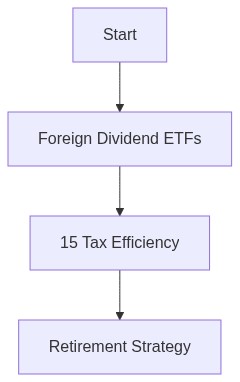
Step-by-Step: How to Optimize Tax Efficiency
- Check the ETF’s Dividend Distribution Policy: Ensure you understand how the ETF handles foreign taxes.
- Track and document foreign taxes paid: Keep thorough records for tax filing.
- Calculate your potential Foreign Tax Credit: Use IRS Form 1116 to determine your credit eligibility.
- Reinvest foreign dividends wisely: Consider automatic reinvestment to harness compounding growth.
It’s crucial to weigh the net gain post-tax benefits when choosing between different types of ETFs. Always seek tax professional advice to tailor strategies specific to your circumstances.
What Lies Ahead: Projections and Considerations
While no projections can guarantee future returns, historical data suggests that properly utilized foreign dividend ETFs can bolster your portfolio’s international exposure effectively. Keep a vigilant eye on global economic indicators and policy changes, which may impact withholding rates and affect your tax strategy.
As with all financial decisions, staying informed and adaptable ensures you’re equipped to maneuver through complexities efficiently.
But wait, what about your Digital Legacy? Think about your Crypto Keys & AI Accounts. Consider how these fit into your overall wealth management plan.
| Feature | ETF 1 | ETF 2 | ETF 3 |
|---|---|---|---|
| Expense Ratio | 0.20% | 0.30% | 0.25% |
| Dividend Yield | 2.5% | 3.0% | 2.8% |
| Tax Withholding | 15% | 25% | 10% |
| Geographic Focus | Europe | Asia | Global |
| Top Holdings | Company A, B, C | Company D, E, F | Company G, H, I |
| Tax Credit Eligibility | Yes | No | Yes |
| Distribution Frequency | Quarterly | Semi-Annual | Quarterly |
Victor – Let’s pump the brakes on that rosy picture, Neo. Foreign Dividend ETFs come with a slew of hidden pitfalls that often overshadow their benefits. The tax implications can be far more complicated than they initially seem, and international tax treaties aren’t always easy to navigate. The additional broker fees, currency risks, and possible withholding taxes from foreign governments could considerably eat into those perceived gains. When you add in the potential for geopolitical risks affecting your investments, this isn’t the no-brainer opportunity it’s cracked up to be.
Dr. Finance – You’ve both made compelling points on Foreign Dividend ETFs. Neo, your enthusiasm for the potential financial growth and portfolio diversification they offer is palpable, while Victor raises important considerations about the complexities and risks involved. Ultimately, it’s crucial for investors to thoroughly understand both the benefits and the drawbacks. Making an informed decision requires considering one’s own risk tolerance, investment goals, and willingness to untangle complex tax obligations before diving into the world of foreign dividends.