
WEALTH BRIEF
- Direct real estate investment offers tangible assets.
- REITs provide liquidity and diversification.
- Market volatility affects both investment types.
- Tax implications vary between real estate and REITs.
- Maintenance costs impact direct property investment.
- REITs have professional management advantages.
ANALYST NOTE
“Today was grueling. Financial markets in turmoil, emotions running high. Clients panicked, seeking solace. I offered calm, but inside, anxiety surged. A deep breath, a moment of reflection, resilience renewed.”
📑 Contents
Real Estate vs REITs: Retirement Risks
As I sit reflecting on my journey towards retirement, one critical decision emerges: Should I invest in physical real estate or Real Estate Investment Trusts (REITs)? Both avenues offer opportunities and perils, and the stakes are high when it comes to ensuring a comfortable, secure retirement.
What Are the Key Differences?
Buying a piece of real estate means owning a tangible asset. The allure of such an investment is in the control I have—it’s an asset I can see, touch, and, potentially, improve. However, it also comes with responsibilities: maintenance, property taxes, and the dreaded midnight call from a tenant with a leaking pipe.
On the flip side, REITs offer a way to invest in real estate without the hassles of property management. They’re traded like stocks and provide dividends sourced from property income. According to a BlackRock study, historical REITs yields hover around 4%, which is quite impressive.
How Do I Evaluate Risk?
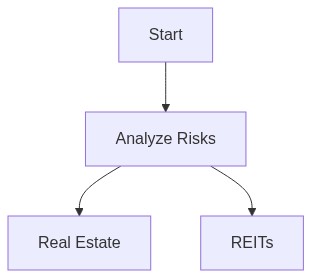
When weighing risks, immediate questions arise about market volatility, liquidity, and leverage. Real estate is less liquid than REITs. Selling a house can take months, whereas REIT shares can be sold almost instantaneously in the stock market. However, the market price for REITs can be more volatile.
- If I buy a property and the local real estate market grows at a modest 3% annually, after 10 years, my property might be worth approximately $671,000.
- If I instead invest in REITs that yield 4% annually, assuming no capital appreciation, I could receive $20,000 yearly, totaling $200,000 in passive income over a decade.
With these scenarios, real estate might boast capital growth, but the liquidity and passive income from REITs are strong contenders.
What About Diversification?
Consider the diversification angle: owning one or two properties subjects me to the whims of local market conditions. In contrast, REITs offer built-in diversification. By investing in a REIT, I effectively hold a share in multiple real estate properties across various locations—spreading risk more evenly.
How Much Control Do I Want?
Control is both a comfort and a burden with physical real estate. I choose tenants, set rental rates, and make renovations to directly enhance property value. For some, this hands-on approach is rewarding. Others might prefer the hands-free nature of REITs where professional management teams handle these decisions. An article from Investopedia highlights how REITs provide professional management and diversification opportunities absent in direct real estate.
What Are the Tax Implications?
The tax landscape for real estate investors is rich with potential savings through deductions on mortgage interest, depreciation, and operating expenses. Conversely, REIT dividends are often taxed as ordinary income, which can be a higher rate. Navigating these nuances requires careful planning but can significantly impact my after-tax income.
Steps to an Informed Decision
- Understand Your Preferences: Do I enjoy managing properties or prefer a more hands-off approach?
- Evaluate Liquidity Needs: How quickly might I need access to the funds I’ve invested?
- Analyze Tax Situation: Consult a tax advisor to understand potential liabilities and deductions.
- Run Simulations: Consider growth rates, potential income, and lifestyle needs.
- Diversify: If possible, blend investments across REITs and real estate for balance.
By addressing these questions, I aim to choose an investment strategy aligned with my lifestyle, financial goals, and level of involvement.
Final Thoughts
Both investment routes present unique opportunities and risks. Choosing between REITs and physical real estate is deeply personal and will influence the type of retirement I can afford to enjoy. Keeping an informed, balanced perspective is key.
But wait, what about your Digital Legacy? Think about your Crypto Keys & AI Accounts. As you plan for real estate or REITs, don’t overlook the growing need to manage your digital presence and assets. This might be the next big frontier in retirement planning.
| Factor | Real Estate | REITs |
|---|---|---|
| Liquidity | Low liquidity; properties can take months or years to sell. | High liquidity; can be bought and sold like stocks. |
| Management | Direct involvement in property management or hiring a property manager. | No management responsibilities; managed by professionals. |
| Income Stability | Income can vary based on tenant turnover and market conditions. | Potentially more stable income due to diversified portfolios. |
| Market Volatility | Less susceptible to daily market volatility but sensitive to housing market changes. | Subject to stock market volatility. |
| Diversification | Limited diversification; tied to specific property locations/markets. | High diversification; invests in a variety of real estate assets. |
| Initial Investment | Requires significant capital for down payments and closing costs. | Lower initial investment, can buy small amounts of shares. |
| Tax Implications | Potentially complex with property taxes, capital gains, and depreciation. | Dividends taxed as ordinary income; certain tax benefits possible. |
| Inflation Hedge | Good hedge against inflation as property values and rents can rise. | Generally considered a good inflation hedge through real asset exposure. |
RELATED ANALYSIS
Victor – While owning physical real estate might seem safe, it exposes retirees to significant risks like market downturns, property damage, and unforeseen expenses that can eat away at hard-earned savings. REITs, on the other hand, offer a portfolio diversified across numerous properties with minimal upfront costs and professional management. They provide retirees with a more liquid, flexible investment, unraveling the complexities of direct property ownership. Real estate can be an arduous journey, fraught with uncertainties and maintenance nightmares that aren’t conveyed by its façade of stability.
Dr. Finance – This debate invites us to weigh the emotional assurance of tangible assets against the pragmatism of diversified portfolios. Neo, your enthusiasm for real estate illuminates the human connection to a valued asset, but can emotional investment cloud judgment when market dynamics shift? Victor, your point on liquidity and diversification does appeal to prudent risk management, yet does it underestimate the potential for high returns in a niche market? In the realm of retirement planning, we edge closer to understanding where security meets strategy, and which path truly aligns with our financial aspirations and personal peace of mind.