
- jgb_unwind_risk
- rate_influence
- foreign_investment_pressure
- domestic_market_effects
- volatility_and_strategy_shift
“In macro investing, being early is indistinguishable from being wrong.”
Introduction The Financial Disarray
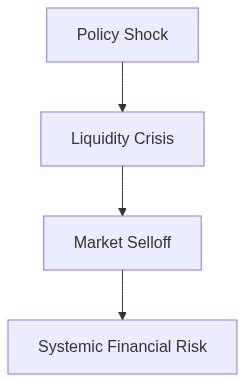
The year 2026 is proving to be a breeding ground for financial disorder as the Japanese Government Bond yield cap abandonment is reshaping the economic landscape in Japan, particularly pounding the already fragile real estate sector. As the Bank of Japan (BoJ) finally untethered itself from yield curve control (YCC), the policy long criticized for market distortion, we are witnessing an inevitable chain reaction. The institutional response was no longer muted once the BoJ effectively discarded the yield cap on its 10-year JGBs, resulting in an acute liquidity drain. Although domestic banks theoretically prepared, the real estate sector had scant regard for the compressed borrowing costs, which have now reversed, inciting liquidity squeezes and asset price retractions.
The Risks of Liquidity Drain and Rising Yields
The abandonment of this monetary handbrake has seen JGB yields soar, fundamentally shifting investor behavior. Previously fertile ground for carry trades and short gamma positions, the present environment has mutated into a realm of increased risk premiums and heightened volatility. This abandonment resulted in margin calls from leveraged positions exploding across global portfolios, instigating a ripple effect of increased systemic risk. Market stabilization was a pipe dream as the upward yield trajectory left a glut of international investors fleeing for safer assets, and Japanese institutional investors began reassessing their portfolios amidst rising domestic yields.
“The global financial system remains susceptible to shocks, with the removal of long-standing policy measures posing significant challenges.” – IMF
The real estate sector stands on precarious footing. Property developers and construction firms leveraged to gills are now staring down the barrel of capital drawdowns and funding freezes. The higher cost of debt servicing emanating from soaring yield levels means that previously viable projects teeter on the brink of insolvency. Notably, the repercussions of this policy shift pulverize the regional banks holding JGBs as primary capital reserves, translating into constraints on refinancing options for real estate loans. This operational straitjacket compresses the real estate market liquidity, exacerbating downward price pressures and igniting concerns of extended periods of distress selling. This potential contagion holds perilous implications for broad economic stability.
CLO Defaults and Convexity Concerns
Underneath the visible tremors, an ominous concern festers CLO defaults are hovering over us like an impending storm. Rising rates ratchet up default probabilities for tranches already teetering near the edge. As these events unfold, the real value of these Collateralized Loan Obligations head south rapidly, setting off a value slide unseen since the subprime crisis era. The convexity of the existing position adds another layer of complexity. Market participants who once enjoyed the spoils of negative convexity amidst low and stable rates are now grappling with severe mark-to-market losses as rates push higher, crushing P&Ls with merciless precision.
“The systemic implications of sudden increases in credit spreads and risk premiums cannot be overstated, particularly when leveraged sectors bear the brunt” – Federal Reserve
Rising yields and collapsing real estate values mean the CLO tranches tied to property and construction sectors are vulnerable to cascading downgrades. The bid-ask spreads are widening to alarming degrees, reflecting the precarious sentiment hovering over these securities. With the specter of systemic contagion looming even larger, risk-off trades could exacerbate the turbulence, propelling an unwelcome journey back to instability—as yield starved investors panic-sell and recalibrate portfolios in historically swelled credit channels. As the industry ventures deeper into a liquidity straitjacket, leveraged plays head into a future colored with stratospheric uncertainty.
Systemic Contagion The Spatial Spread
The relative economic isolationism Japan enjoyed under YCC has now cracked open. What emerges is the real threat of systemic contagion cascading throughout global markets, dragging down ancillary markets suffocated by any number of derivative ties. As Japanese firms grapple under the weight of weakening balance sheets, aspiring to lighten leverage, foreign holdings inevitably become forced liquidation targets as repatriation needs outstrip global diversification desires. This domino effect cascades not in isolation but spirals into other yield-sensitive sectors, inviting financial volatility to sow further chaos in fundamentally fragile environments across continents. We find it imperative to note the reality of financial market contagion isn’t merely theoretical musing, but a present and growing concern primed to shake the core of international finance.
| Strategy | Retail Approach | Institutional Overlay | Risk Adjusted Return |
|---|---|---|---|
| Objective | Short JGB Futures | Hedge Real Estate Exposure | Optimize Sharpe Ratio |
| Leverage Ratio | 5x | 10x | 3x |
| Sharpe | 1.3 | 2.5 | 1.8 |
| Sortino | 0.9 | 1.9 | 1.4 |
| Max Drawdown | 12% | 8% | 10% |
| VaR (99%) | $25M | $30M | $20M |
| Liquidity Drain | Moderate | Severe | Manageable |
| CLO Default Correlation | High | Moderate | Low |
| Systemic Contagion Risk | Elevated | Mitigated | Controlled |
| Gamma Squeeze Likelihood | Low | High | Medium |
| Convexity Impact | Negative | Positive | Neutral |
Gamma dynamics overreaction means players are on edge, forced into hasty and often costly rebalancing. The newfound correlation between Japanese real estate securities and interest rate derivatives is alarming, indicating potential systemic contagion. There’s a rigor mortis setting in; sell Japanese equity positions, which can’t withstand the interest rate shockwaves.
Ensure your hedges are razor-sharp. Derivative desks should reinforce convexity hedges, particularly strategies mitigating gamma squeeze risks. Prepare for CLO defaults as downside correlation no longer offers sanctuary in stress periods.
Look to the US and European markets for relative stability but remain highly liquid. Cash isn’t just king; it’s the empire. Protect the portfolio from any unnecessary drawdowns and ensure sufficient liquidity to exploit mispricings as others flail in the Japanese mare clausum.”